

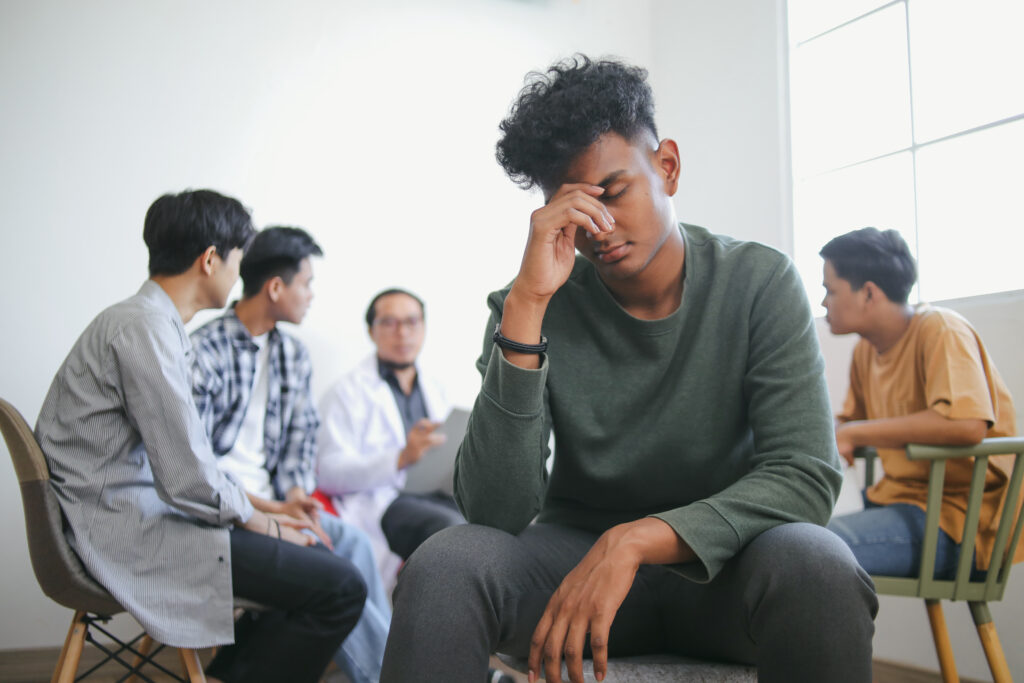
Stress vs anxiety is one of the most common mental health questions Australians ask, particularly as work, family and financial pressures continue to grow. While the two experiences share many physical and emotional symptoms, they are not the same. Understanding the difference between stress and anxiety can help you respond more effectively, recognise when additional support may be needed and protect your long-term mental wellbeing. Whether you’re experiencing anxiety at work, managing workplace pressures or supporting someone else, knowing how these conditions differ is an important step towards better mental health.
Key Takeaways
- Stress is usually a response to an identifiable pressure, while anxiety may continue even when no obvious threat exists.
- Both stress and anxiety can affect your body, thoughts, emotions and behaviour, but persistent anxiety may indicate an anxiety disorder requiring professional support.
- Workplace psychosocial hazards can contribute significantly to both chronic stress and anxiety if they are not properly managed.
- Healthy coping strategies, supportive workplaces and early intervention can reduce the impact of both stress and anxiety.
- Mental Health First Aid training equips people to recognise when someone may be struggling and respond with confidence and compassion.
Understanding Stress

Everyone experiences stress.
From meeting project deadlines and managing family responsibilities to coping with unexpected life events, stress is a normal part of being human. In many situations, stress is not only expected but beneficial. It prepares the body to respond quickly, focus attention and deal with challenges.
When you encounter a stressful situation, your brain activates the body’s stress response. Hormones including adrenaline and cortisol are released, increasing heart rate, blood pressure and alertness. This physiological reaction—often described as the “fight, flight or freeze” response—developed to help humans survive immediate dangers.
Today, however, the threats we face are usually psychological rather than physical.
Instead of escaping predators, we are responding to overflowing inboxes, demanding workloads, financial pressures, relationship difficulties or caring responsibilities. While the source of stress has changed, our bodies often react in much the same way.
Importantly, stress is usually linked to a specific challenge or event.
For example, someone may feel stressed because they are:
- Preparing for an important presentation.
- Managing a heavy workload.
- Sitting university examinations.
- Caring for an unwell family member.
- Facing financial pressures.
- Moving house or changing jobs.
Once the stressful situation resolves, stress levels often begin to decrease. Although recovery may take time after particularly difficult events, the body’s stress response is generally designed to return to normal once the perceived threat has passed.
Stress itself is therefore not considered a mental illness. Rather, it is a natural biological and psychological response that becomes problematic when it is severe, prolonged or overwhelming.

What Is Anxiety?
Anxiety is also a normal human emotion.
Most people feel anxious before public speaking, attending a job interview or waiting for important medical results. These feelings can help us prepare, stay alert and perform well in challenging situations.
The difference is that anxiety does not always disappear once the situation ends.
For some people, anxious thoughts continue long after the immediate challenge has passed. Others may experience persistent worry even when there is no obvious external trigger. The mind begins anticipating future problems, imagining worst-case scenarios or constantly searching for potential threats.
Anxiety may involve:
- Excessive worry that is difficult to control.
- Feeling constantly on edge.
- Racing thoughts.
- Difficulty concentrating.
- Irritability.
- Trouble sleeping.
- Physical symptoms such as muscle tension, headaches, sweating, nausea or a racing heart.
While occasional anxiety is entirely normal, persistent or overwhelming anxiety that interferes with daily life may indicate an anxiety disorder.
Anxiety disorders are among Australia’s most common mental health conditions. They include conditions such as:
- Generalised Anxiety Disorder (GAD)
- Social Anxiety Disorder
- Panic Disorder
- Specific Phobias
- Agoraphobia
These conditions are more than simply “feeling stressed”. They involve patterns of excessive fear or worry that significantly affect a person’s ability to work, study, maintain relationships or enjoy everyday life.
Importantly, anxiety disorders are treatable. Early recognition and appropriate professional support often lead to excellent outcomes.

Stress vs Anxiety: What's the Difference?
Because stress and anxiety share many symptoms, people often use the terms interchangeably. However, understanding the difference between stress and anxiety can help people seek the right type of support.
The biggest distinction is that stress is generally connected to an identifiable external pressure, while anxiety often persists independently of any immediate situation. Someone experiencing workplace stress may feel overwhelmed during a particularly demanding week but begin feeling better once deadlines have passed.
Someone experiencing anxiety, on the other hand, may continue worrying that something will go wrong even after everything has been completed successfully.
- Stress is typically temporary.
- Anxiety can become ongoing.
- Stress usually reduces once the cause is removed.
- Anxiety may continue despite reassurance or the absence of any obvious danger.
That distinction matters because prolonged anxiety often requires different management strategies and, in some cases, professional assessment and treatment.
Shared Symptoms
One reason people confuse stress and anxiety is that both activate similar physiological systems within the body.
Common symptoms include:
- Increased heart rate.
- Rapid breathing.
- Muscle tension.
- Difficulty concentrating.
- Irritability.
- Fatigue.
- Sleep disturbances.
- Headaches.
- Digestive discomfort.
These symptoms occur because both stress and anxiety activate the body’s stress response system.
The difference lies less in the symptoms themselves and more in why they occur, how long they persist and how much they interfere with everyday life.
A Practical Example
Imagine two employees preparing for an important client presentation.
The first employee feels nervous during the week leading up to the meeting. They sleep poorly the night before, their heart races as they begin speaking and they feel exhausted afterwards. Once the presentation is over, however, they gradually relax and return to feeling like themselves.
This is a typical stress response.
The second employee also feels nervous before the presentation, but the worry continues afterwards. They repeatedly replay the meeting in their mind, fear they made serious mistakes despite positive feedback, worry about future presentations and become increasingly anxious about going to work.
This experience is more consistent with anxiety.
The situations appear similar on the surface, yet the underlying psychological processes are quite different.

When Does Stress Become a Problem?
Not all stress is harmful.
Psychologists often distinguish between acute stress, which is short-term and manageable, and chronic stress, which continues over weeks or months.
Acute stress may help people rise to challenges and solve problems.
Chronic stress, however, can begin affecting both physical and mental health.
Over time, prolonged activation of the body’s stress response has been associated with:
- Sleep disruption.
- Persistent fatigue.
- Increased blood pressure.
- Digestive problems.
- Weakened immune function.
- Difficulty concentrating.
- Emotional exhaustion.
- Burnout.
- Increased vulnerability to anxiety and depression.
This is particularly relevant in modern workplaces, where sustained workloads, ongoing organisational change and constant digital connectivity can leave employees feeling as though they are never able to fully switch off.
When stress continues without adequate recovery, it becomes increasingly difficult for the nervous system to return to its normal resting state. Everyday challenges that once felt manageable may begin to seem overwhelming, and small setbacks can trigger disproportionately strong emotional reactions.
Recognising this transition is important because chronic stress is not simply “part of the job”. Left unaddressed, it can affect performance, relationships, physical health and overall quality of life.
Learning to recognise the early signs of prolonged stress allows individuals and workplaces to intervene before more significant mental health problems develop.
Anxiety at Work: When Workplace Pressure Becomes More Than Stress

Every workplace involves some degree of pressure. Tight deadlines, competing priorities and periods of increased workload are part of many roles. In healthy workplaces, these demands are balanced by supportive leadership, realistic expectations and opportunities for recovery.
Problems arise when workplace pressures become excessive, prolonged or poorly managed.
Someone experiencing workplace stress may notice they become more irritable during busy periods or feel mentally exhausted at the end of the day. After taking leave, completing a major project or receiving additional support, they often begin to recover.
Anxiety at work is different.
Rather than being tied solely to workload, anxiety may persist regardless of whether work demands have eased. A person might continually worry about making mistakes, fear being judged by colleagues, dread attending meetings or experience overwhelming apprehension before every shift. These thoughts can become intrusive and difficult to control, affecting both work performance and life outside the workplace.
Common signs that anxiety may be affecting someone at work include:
- Persistent worry that feels out of proportion to the situation.
- Difficulty concentrating or making decisions.
- Avoiding meetings, presentations or conversations.
- Frequent reassurance-seeking from colleagues or supervisors.
- Physical symptoms such as nausea, sweating, trembling or a racing heart before work.
- Increased absenteeism or presenteeism (being physically present but unable to work effectively).
- Trouble switching off after work or constantly thinking about work-related problems.
Without appropriate support, chronic workplace anxiety can contribute to burnout, reduced productivity, strained workplace relationships and increased risk of other mental health conditions.
Importantly, experiencing anxiety is not a sign of weakness or poor resilience. Like any health condition, it deserves understanding, appropriate support and, where necessary, professional treatment.

Understanding Psychosocial Hazards
Over recent years, Australian workplaces have increasingly recognised that psychological health deserves the same attention as physical safety.
This shift has introduced greater focus on psychosocial hazards.
A psychosocial hazard is anything within the design or management of work that has the potential to cause psychological harm. These hazards do not affect everyone in the same way, but prolonged exposure can significantly increase the risk of stress-related illness, anxiety, depression and burnout.
Examples include:
- Excessive workloads.
- Unrealistic deadlines.
- Low job control.
- Poor organisational support.
- Bullying or harassment.
- Workplace violence or aggression.
- Role ambiguity.
- Poor communication.
- Inadequate recognition or reward.
- Exposure to traumatic events.
- Poorly managed organisational change.
- Remote or isolated work without sufficient support.
These are not simply employee wellbeing issues—they are recognised workplace health and safety risks.
Under Australian work health and safety laws, employers have a duty to eliminate psychosocial risks where reasonably practicable, or minimise them if elimination is not possible. This means organisations should identify hazards, assess risks, implement appropriate controls and regularly review whether those controls remain effective.
Creating psychologically healthy workplaces is therefore not just about providing wellbeing programs or resilience training. It requires thoughtful job design, supportive leadership, respectful workplace cultures and systems that prevent harm before it occurs.
Employees also play an important role by reporting concerns early, participating in workplace wellbeing initiatives and seeking support when they notice changes in their own mental health.

How to Manage Stress at Work
While organisations have important responsibilities, individuals can also adopt practical strategies that reduce the impact of everyday stress.
No single approach works for everyone, but evidence suggests that small, consistent habits often make a meaningful difference.
Recognise Early Warning Signs
Many people ignore stress until they reach exhaustion.
Pay attention to changes in sleep, concentration, mood, appetite or motivation. Recognising these changes early provides an opportunity to make adjustments before stress becomes overwhelming.
Prioritise Recovery
Productivity depends on recovery.
Taking regular breaks, using annual leave, maintaining healthy boundaries around work hours and allowing time for enjoyable activities all help the nervous system return to a calmer state.
Stay Physically Active
Regular physical activity has consistently been shown to reduce stress and improve mood.
Exercise does not need to be intense. Walking, swimming, cycling or other enjoyable forms of movement can all contribute to better mental wellbeing.
Maintain Healthy Sleep Habits
Poor sleep increases both stress and anxiety.
Establishing consistent sleep routines, limiting caffeine late in the day and reducing screen use before bedtime can improve sleep quality for many people.
Stay Connected
Social support remains one of the strongest protective factors for mental health.
Talking openly with trusted friends, family members or colleagues can reduce feelings of isolation and provide practical perspectives during stressful periods.
Practise Evidence-Based Relaxation Techniques
Mindfulness, breathing exercises, progressive muscle relaxation and other evidence-based relaxation strategies may help reduce physiological stress responses for some people.
These approaches are most effective when practised regularly rather than only during periods of crisis.
Seek Help Early
If stress continues despite self-care strategies, or begins affecting daily functioning, speaking with a GP or qualified mental health professional is an important next step.
Early intervention often prevents problems from becoming more severe.
When Anxiety May Require Professional Support
Everyone experiences anxiety from time to time.
However, persistent anxiety that interferes with work, relationships or everyday life should not simply be accepted as “normal stress.”
Professional assessment may be appropriate if someone experiences:
- Excessive worry on most days over an extended period.
- Panic attacks.
- Avoidance of normal daily activities.
- Ongoing sleep disruption due to anxiety.
- Persistent physical symptoms without another medical explanation.
- Significant distress or reduced ability to function at work or home.
Seeking professional help does not necessarily mean medication will be recommended.
Treatment depends on the individual and may include psychological therapies, lifestyle changes, workplace adjustments, medication where appropriate or a combination of approaches.
Many people recover well with timely support.

How Mental Health First Aid Makes a Difference
One of the greatest challenges with anxiety is that it often goes unnoticed.
Unlike a physical injury, anxiety may not have visible signs. People frequently continue working while privately struggling with overwhelming worry, racing thoughts or emotional exhaustion.
This is where Mental Health First Aid becomes invaluable.
Mental Health First Aid does not teach participants to diagnose or treat mental illness. Rather, it equips people with practical skills to recognise when someone may be experiencing a mental health problem, approach them respectfully, listen without judgement and encourage appropriate professional support.
These skills can be valuable in virtually every setting:
- Workplaces.
- Schools.
- Community organisations.
- Sporting clubs.
- Volunteer groups.
- Families.
Just as physical first aiders provide initial assistance until medical care is available, Mental Health First Aiders learn how to offer informed, compassionate support until professional help can be accessed if needed.
For employers, having staff trained in Mental Health can contribute to a more psychologically safe workplace by increasing mental health literacy, reducing stigma and encouraging earlier conversations about wellbeing.
For individuals, the training builds confidence to recognise warning signs, respond appropriately and support colleagues, friends or family members during difficult times.
If you’re looking to strengthen your understanding of anxiety, stress and other common mental health challenges, Mental Health Pro’s nationally accredited First Aid for Mental Health courses provide practical, evidence-based skills that can help you respond calmly and appropriately when someone needs support.
References
- World Health Organization – Stress
Safe Work Australia – Psychosocial hazards
- Beyond Blue – Anxiety
https://www.beyondblue.org.au/mental-health/anxiety
Comprehensive information on anxiety symptoms, treatment options, self-help strategies and where to seek support. - Black Dog Institute – Understanding Anxiety
https://www.blackdoginstitute.org.au/resources-support/anxiety/
Evidence-based information on recognising anxiety, managing symptoms and accessing appropriate support. - Healthdirect Australia – Anxiety
https://www.healthdirect.gov.au/anxiety
Australian Government-supported medical information explaining anxiety disorders, symptoms, diagnosis and treatment.
FAQs
What is the main difference between stress and anxiety?
Stress is generally a response to a specific external pressure or challenge and often reduces once that situation is resolved. Anxiety may continue even when there is no immediate threat and can persist despite reassurance or positive outcomes.
Can workplace stress develop into anxiety?
Yes. While stress itself does not necessarily cause an anxiety disorder, prolonged or poorly managed stress can increase the risk of developing anxiety and other mental health conditions, particularly when psychosocial hazards remain unaddressed.
What are psychosocial hazards in the workplace?
Psychosocial hazards are aspects of work that may cause psychological harm. Examples include excessive workloads, bullying, poor organisational support, role ambiguity, workplace violence, unrealistic deadlines and exposure to traumatic events.
When should I seek professional help for anxiety?
You should consider seeking professional support if anxiety is persistent, difficult to control, interferes with work or daily life, causes significant distress or is accompanied by panic attacks, ongoing sleep problems or avoidance of normal activities.
How can Mental Health First Aid training help?
Accredited Mental Health First Aid training teaches people how to recognise the signs of common mental health problems, provide initial support in a safe and respectful way, and encourage someone to access appropriate professional help. It is designed to improve confidence, reduce stigma and support psychologically healthier workplaces and communities.

